

The most famous tourist destination on a map is rarely the smartest place to secure your family’s legacy. While generic travel brochures treat every peak the same, savvy buyers know that the best mountain towns in North Carolina are defined by more than just a sunset view. You’re likely tired of scrolling through surface-level lists that ignore the realities of seasonal accessibility, local infrastructure, and long-term property value. It’s frustrating to feel like you’re being sold a “tourist trap” rather than a true community.
We agree that a high-stakes real estate decision requires more than just a “feeling.” This 2026 High Country Lifestyle Guide promises to move you from uncertainty to confidence by aligning your specific goals with the region’s unique geography. We will explore the nuances of the High Country market, comparing the luxury estates of Blowing Rock with the investment potential of West Jefferson and the secluded acreage of Sparta. You’ll gain expert insight into current median sales prices and tax rates across Watauga, Ashe, Avery, and Alleghany counties, ensuring your next move is as strategic as it is beautiful.
Key Takeaways
- Understand the High Country’s distinct boundaries across Watauga, Ashe, and Avery counties so you don’t mistake this exclusive region for more commercialized mountain destinations.
- Compare the cultural and economic anchors of the region to find the best mountain towns in North Carolina that align with your desire for either resort-style refinement or active community energy.
- Analyze the high-altitude resort towns of Banner Elk and Sugar Mountain to gauge their specific potential for short-term rental investment property sales.
- Uncover the hidden value in secluded gems like Sparta and Elk Park for those prioritizing significant land and acreage sales over proximity to commercial centers.
- Master a strategic three-pillar framework to evaluate any mountain property based on elevation, amenities, and critical infrastructure requirements like septic and slope access.
Defining the North Carolina High Country: A 2026 Perspective
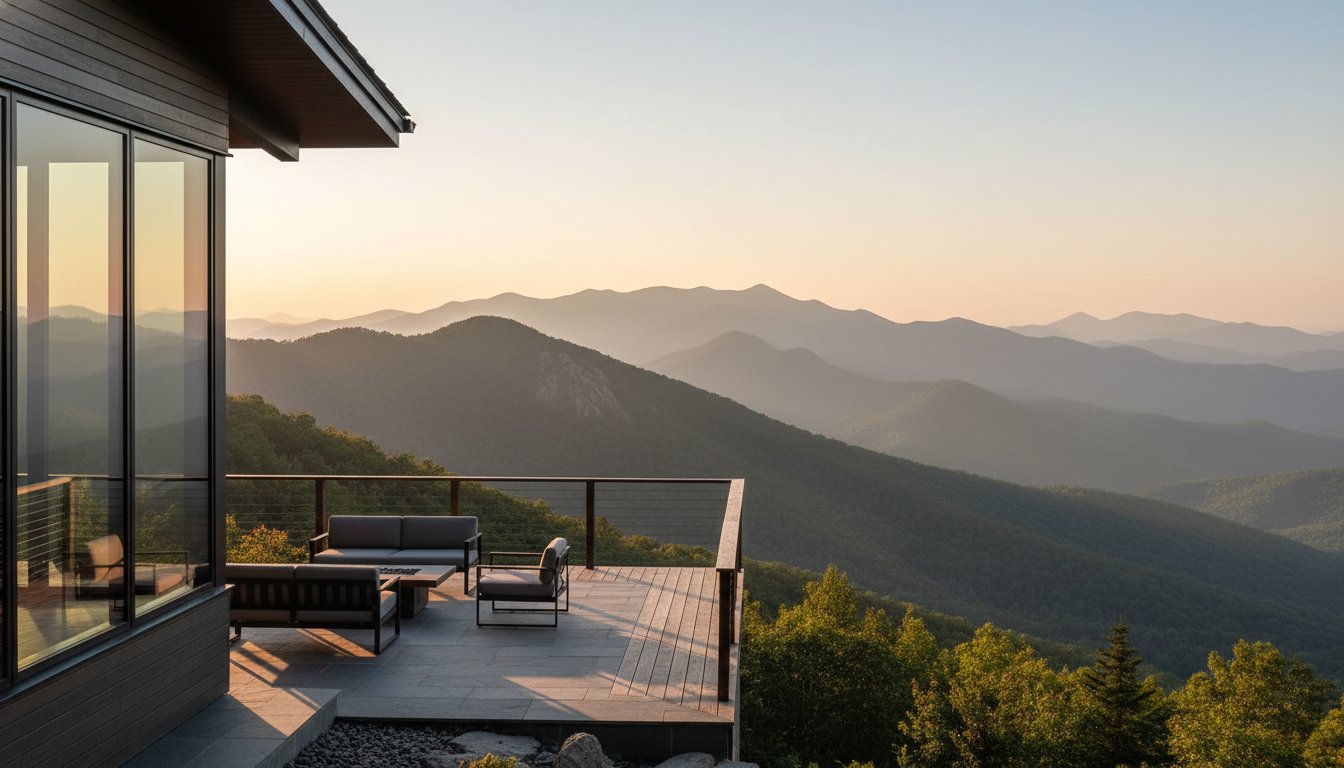
The North Carolina High Country isn’t a vague marketing term; it’s a specific, high-altitude ecosystem that demands a different level of respect than the rolling foothills below. While many tourists group all of Western NC into a single bucket, discerning investors recognize that the High Country brand stands alone. This region is defined by the distinct tri-county area of Watauga, Ashe, and Avery. It’s a place where the air is thinner, the summers are significantly cooler, and the lifestyle is intentionally curated to avoid the commercial saturation found in larger mountain hubs like Asheville.
Identifying the best mountain towns in North Carolina requires looking north of the busy interstate corridors. In 2026, the market has shifted toward a state of normalization, yet demand for high-end mountain estates remains remarkably resilient. With a regional median sales price of $512,500 as of April 2026, the area offers a compelling balance of value and prestige. Buyers are no longer just looking for a weekend cabin; they are seeking a legacy property that provides a sanctuary from the heat and hustle of the Piedmont and coastal plains.
High Country vs. Western North Carolina
Geographically, North Carolina’s High Country sits at the pinnacle of the Appalachian range. This positioning offers a geographic advantage that lower-elevation towns cannot replicate. While much of Western NC experiences humid summers, the High Country enjoys a true four-season climate with peak elevations that keep temperatures comfortable year-round. The proximity to the Blue Ridge Parkway adds a layer of protected beauty and exclusivity. This isn’t just about tourism; it’s about the inherent property value tied to elevation and restricted land availability. Living here means being part of a landscape that is as rugged as it is refined.
The 2026 Lifestyle Shift: Mountain Sophistication
The traditional “rustic cabin” has been replaced by a new standard of mountain modern living. High-speed fiber optic infrastructure now reaches even the most secluded ridgelines, allowing professionals to maintain global connections while overlooking the New River. This technological leap has transformed these towns from seasonal retreats into vibrant, year-round hubs. However, this evolution brings new complexities to the buying process. Navigating high-elevation real estate requires an intimate understanding of slope stability, winter access, and specialized building requirements. Finding the best mountain towns in North Carolina is now a strategic exercise in matching modern amenities with the timeless pull of the peaks. Professional guidance is essential to ensure your investment aligns with both your lifestyle needs and the technical realities of mountain topography.
The Crown Jewels: Boone, Blowing Rock, and West Jefferson
While the High Country is dotted with secluded retreats, the economic and cultural lifeblood of the region flows through Boone, Blowing Rock, and West Jefferson. These three municipalities represent the most sophisticated best mountain towns in North Carolina, anchoring a region that saw over $1.06 billion in visitor spending in 2024. They offer a level of infrastructure and amenity access that rivals metropolitan areas. Whether you’re seeking a primary residence with top-tier healthcare or a luxury second home near high-end boutiques, these towns provide the stability and growth potential that discerning buyers prioritize in 2026.
Blowing Rock: The Apex of Blue Ridge Luxury
Blowing Rock remains the definitive choice for those seeking a “quaint but elite” atmosphere. Its historic Main Street is a masterclass in mountain charm, featuring award-winning dining and curated galleries just steps from the Blue Ridge Parkway. The real estate market here is equally prestigious; in April 2026, median list prices ranged between $784,650 and $872,450. You’ll find a sophisticated mix of historic stone cottages and contemporary luxury estates nestled near Moses Cone Memorial Park. This is where high-status living meets geographic elevation, providing a sanctuary for those who value discretion and timeless architecture.
Boone: The Vibrant Hub of the High Country
Don’t be misled by labels; Boone is far more than a college town. While Appalachian State University fuels a thriving arts scene and world-class healthcare, it also creates a consistent demand for high-quality residential property sales. In 2026, the market for homes for sale in Boone NC has evolved to include exclusive ridge-top communities that offer panoramic views without sacrificing proximity to town amenities. It’s the ideal location for families and professionals who want the convenience of a modern hub paired with the rugged beauty of the Appalachians. For a deeper dive into specific neighborhoods, our Boone NC Real Estate Guide provides the granular data needed for an informed purchase.
West Jefferson: Art, Culture, and River Access
West Jefferson has undergone a remarkable transformation, emerging as one of the best mountain towns in North Carolina for those seeking a sophisticated arts district that maintains its authentic roots. It offers a distinct value proposition compared to Watauga County, with median list prices in March 2026 hovering around $450,333 to $475,000. This area is particularly attractive for those interested in land and acreage sales near the New River, where waterfront properties provide a serene alternative to high-altitude peaks. The town’s walkable downtown and historic revitalization make it a top choice for buyers looking for a blend of culture and quiet luxury. If you’re ready to explore these diverse markets, you can browse current luxury estate listings to see which community resonates with your vision.

High-Altitude Escapes: Banner Elk, Beech Mountain, and Sugar Mountain
For those who prioritize immediate access to the slopes and championship golf courses, the high-altitude corridor of Avery County offers an unparalleled experience. Unlike the year-round academic and commercial bustle of Boone, towns like Banner Elk, Beech Mountain, and Sugar Mountain are designed around the rhythm of the seasons. These are the best mountain towns in North Carolina for buyers seeking a dedicated resort lifestyle where the transition from winter skiing to summer mountain biking is seamless. In 2026, the appeal of these areas has expanded beyond seasonal use, as remote-capable professionals seek the cooler temperatures and exclusive amenities found at these higher elevations.
Banner Elk: The Culinary and Resort Capital
Banner Elk serves as the culinary and resort capital of the High Country. It’s home to some of the most prestigious gated communities in the region, including Diamond Creek and Elk River. With an average home value of $580,891 in April 2026, the market reflects the town’s high-end status. The “small town, big flavor” reputation is supported by a dining scene that punches far above its weight, making it a strategic choice for luxury estate sales. Its position between Beech and Sugar Mountain resorts provides a central hub for all-season recreation. You’ll find that Banner Elk offers a more refined, walkable downtown experience compared to the rugged peaks that surround it.
Beech and Sugar Mountains: Living Above the Clouds
Living at 5,000 feet above sea level offers a perspective few ever experience. It’s a world of “living above the clouds,” where the air is crisp and the views are expansive. However, high-altitude living requires careful consideration of infrastructure. Winter access and snow removal are critical factors that we evaluate for every client. For those focused on investment property sales, the ROI for NC mountain vacation homes for sale remains strong due to the dual-season demand. With Beech Mountain adult season passes at $640 and Sugar Mountain family passes at $1,312 for the 2026-2027 season, these resorts continue to draw significant visitor volume.
Choosing between these peaks often comes down to your preference for elevation versus amenity density. While Sugar Mountain offers proximity to shopping and dining, Beech Mountain provides the raw, high-altitude environment that many find exhilarating. We help you navigate these choices by analyzing Avery County’s property tax rate of 0.40 per $100 of valuation against the potential for high-occupancy rental income. Successful investors look for properties with easy resort access and robust infrastructure to maximize rental potential throughout the year.
Secluded Gems: Sparta, Jefferson, and Elk Park
While the social prestige of Blowing Rock is undeniable, a different class of buyer seeks the luxury of absolute silence. Sparta, Jefferson, and Elk Park represent the quiet luxury frontier of the High Country. These are the best mountain towns in North Carolina for individuals who prioritize expansive acreage and the “slow living” philosophy over proximity to upscale boutiques. Here, the value isn’t just in the square footage of the residence but in the hundreds of acres of untouched ridgelines and rolling pastures that surround it. We specialize in identifying these rare opportunities for land and acreage sales that offer both privacy and long-term investment stability.
The allure of these secluded spots lies in their resistance to rapid commercialization. In 2026, as more developed areas reach their density limits, these towns offer the last remaining tracts of unrestricted mountain land. It’s a lifestyle defined by the sunrise over a private valley rather than the convenience of a nearby resort. For those who value discretion and autonomy, these communities provide a sanctuary that is increasingly difficult to find in the modern market.
Sparta and Alleghany County: The Unspoiled Frontier
Sparta offers an unspoiled landscape that feels worlds away from the busy corridors of the south. Alleghany County is defined by its rolling pastoral vistas and long-range views that stretch toward the Virginia border. For those seeking 20+ acre estates, this area provides exceptional value; the median list price in Sparta was $299,000 as of March 2026. The primary lifestyle amenity here is the New River State Park, providing a natural playground for kayaking and fly-fishing. It’s a region where the property tax rate of 0.597 per $100 of valuation is balanced by the sheer scale of available land and the lack of high-pressure development.
Jefferson and Elk Park: History and Nature Intertwined
Jefferson serves as the historic seat of Ashe County, offering a dignified atmosphere where history and nature are deeply intertwined. With a median home value of approximately $350,000 in May 2026, it remains a strategic entry point for residential property sales without sacrificing the High Country aesthetic. Further west, Elk Park sits on the edge of the Tennessee line, providing immediate access to the Pisgah National Forest. This rugged terrain has sparked a growing interest in log homes for sale NC mountains, as buyers look for authentic structures that mirror the surrounding wilderness. The average home value in Elk Park was $311,161 in March 2026, making it a compelling option for those who want high-elevation beauty with a more rural, authentic feel.
The transition to a rural lifestyle requires a partner who understands the nuances of unrestricted land and septic capabilities in remote areas. If you’re ready to secure your own private sanctuary, you can explore our curated list of secluded mountain homes for sale in NC to find a property that aligns with your vision of absolute solitude.
Choosing Your Town: A Framework for the 2026 Buyer
Selecting your ideal home among the best mountain towns in North Carolina requires a move away from emotional impulse toward a data-driven framework. We evaluate every property through three primary pillars: Elevation, Amenities, and Privacy. A ridgetop estate at 5,000 feet offers incomparable views but demands a specific commitment to winter preparedness. Conversely, a valley property near the New River provides easier access and warmer micro-climates but may sacrifice the expansive vistas that define the High Country experience. Your choice should be a strategic match for your long-term lifestyle goals and your tolerance for the region’s rugged geography.
Due diligence in the mountains is far more complex than in suburban markets. We guide our clients through a rigorous checklist that includes:
- Slope Stability and Topography: Assessing buildable areas and the long-term integrity of the land.
- Septic and Infrastructure: Verifying permits and system capabilities for high-altitude sites where municipal services are unavailable.
- Year-Round Access: Confirming whether the town, county, or a private association maintains road scrapers and winter salt applications.
- Elevation Impact: Understanding how specific heights influence everything from heating costs to insurance premiums.
Matching Lifestyle to Location
Each town in the High Country serves a distinct purpose. For those considering Retiring in the NC Mountains, the priorities often shift toward Blowing Rock or West Jefferson. These areas offer superior walkability and proximity to the region’s most sophisticated healthcare facilities. If your goal is wealth preservation through investment property sales, the consistent rental demand in Boone and the resort-centric volume of Banner Elk are difficult to beat. For the buyer who values autonomy above all else, the unrestricted land and acreage sales in Sparta and Elk Park provide the ultimate sanctuary for a secluded lifestyle.
The Importance of Local High Country Expertise
A general practitioner from the Piedmont or a national real estate portal can’t navigate the nuances of High Country soil or winter road gradients. Success in this market requires a localized, intimate perspective that only comes from years of regional dominance. Lori Eastridge acts as a strategic partner, providing the bespoke service and professional certifications necessary to manage high-stakes luxury estate sales. We don’t just facilitate transactions; we provide the expert consulting needed to move you from inquiry to a state of total confidence in your investment. When you are ready to secure your place in the best mountain towns in North Carolina, consult with NC High Country Real Estate to begin your personalized search.
Securing Your Legacy in the High Country
The decision to invest in the Appalachian peaks is a choice to prioritize elevation, community, and long-term property value. The best mountain towns in North Carolina offer distinct experiences, from the refined resort atmosphere of Blowing Rock to the quiet luxury found in the rolling pastures of Sparta. Success in this market depends on matching your specific lifestyle goals with the technical realities of mountain infrastructure and 2026 market data. It’s about finding that perfect alignment between geographic beauty and strategic investment.
Reaching your goals in these high-stakes micro-markets requires a strategic partner with deep local roots in Watauga and Ashe Counties. As an expert negotiator specialized in luxury and investment properties, Lori Eastridge provides the personalized care and transparency needed to manage complex mountain transactions with absolute discretion. Your dream of a high-altitude sanctuary is within reach; it simply requires the right local guide to turn that vision into a tangible legacy. We invite you to begin your journey with a partner who values your excellence as much as you do.
Explore Featured High Country Estates with Lori Eastridge and discover which peak you’ll call home.
Frequently Asked Questions
What is the best mountain town in North Carolina for retirees in 2026?
Blowing Rock and West Jefferson are the premier choices for retirees in 2026. Blowing Rock provides a refined, walkable environment with immediate access to high-end boutiques and the Blue Ridge Parkway. West Jefferson offers a slightly more relaxed pace with a sophisticated arts district. Both towns benefit from proximity to the region’s top healthcare facilities in Boone, making them the best mountain towns in North Carolina for those prioritizing long-term comfort and accessibility.
Which NC mountain town has the best real estate investment potential?
Boone and Banner Elk currently lead the region in investment property sales potential. Boone’s market is anchored by the consistent housing demand from Appalachian State University, while Banner Elk capitalizes on high-volume resort tourism. With High Country visitor spending reaching $1.06 billion in 2024, properties near Sugar and Beech Mountains offer significant rental demand. We analyze these micro-markets to ensure your investment aligns with current occupancy trends and regional growth patterns.
Are there any mountain towns in NC that are still affordable?
Sparta and Elk Park remain the most accessible options for buyers seeking value without sacrificing mountain beauty. In March 2026, the median list price in Sparta was $299,000, while Elk Park home values averaged approximately $311,161. These areas are ideal for those looking for residential property sales or land and acreage sales in a more rural setting. They offer a “quiet luxury” alternative to the higher-priced resort corridors found in Watauga and Avery Counties.
What is the difference between living in Boone vs. Blowing Rock?
Boone serves as the energetic, year-round hub of the region, whereas Blowing Rock maintains a more exclusive, resort-focused atmosphere. Living in Boone provides the convenience of major retail centers and a vibrant university culture. Blowing Rock offers a quieter, more curated lifestyle with a historic Main Street and higher median list prices, which reached $872,450 in April 2026. Choosing between them depends on whether you prefer a bustling community or a secluded, high-status retreat.
Which mountain town is closest to the Blue Ridge Parkway?
Blowing Rock is widely considered the gateway to the Blue Ridge Parkway, with the scenic motorway passing directly along its borders. Residents enjoy immediate access to iconic spots like Moses Cone Memorial Park and Price Lake. This proximity is a major driver for luxury estate sales in the area, as it guarantees protected views and world-class hiking just minutes from home. Other towns like Boone and Jefferson also offer Parkway access, but Blowing Rock remains the most integrated.
What should I know about winter weather before moving to the NC mountains?
Winter weather in the High Country is highly dependent on your specific elevation. While towns at lower altitudes may see light snow, ridgetop communities at 4,000 feet or higher experience significant accumulation and high winds. It is essential to verify road maintenance agreements and ensure your property has reliable snow removal infrastructure. We help buyers evaluate winter accessibility for every home, as the transition to high-altitude living requires a strategic approach to seasonal preparedness and vehicle requirements.
How do I find unrestricted land in the High Country?
Unrestricted land is most prevalent in the more rural areas of Alleghany and Ashe Counties. Sparta and the outskirts of Jefferson are the primary targets for buyers seeking large tracts of land and acreage sales without the constraints of strict homeowner associations. These parcels offer the autonomy needed for small-scale farming or custom estates. We specialize in navigating these rural markets to ensure that any land purchase meets your requirements for privacy, septic capabilities, and road access.
Is West Jefferson a good place to buy a second home?
West Jefferson is an excellent choice for a second home, offering a unique blend of historic charm and modern cultural amenities. With median list prices between $450,333 and $475,000 in early 2026, it provides a sophisticated alternative to the more expensive resort towns. The town’s walkable arts district and proximity to the New River make it a versatile location for both relaxation and outdoor recreation. It is one of the best mountain towns in North Carolina for long-term lifestyle value.
